Writing
Blog
Essays on product engineering, frontend architecture, developer experience and open source.
How to write an Organization/Open Source library (Opinionated) | Part 3 — Contributors & documentation
CONTRIBUTING guides, issue templates, RFCs for breaking changes, and shipping usable API docs—closing the loop for Slothy-style libraries.
Read moreHow to write an Organization/Open Source library (Opinionated) | Part 2 — Versioning, changelog & testing
SemVer, changelogs, release discipline, and a testing strategy that protects your library contract—continuing the Slothy example from Part 1.
Read moreHow to write an Organization/Open Source library (Opinionated) | Part 1 — Specification
Opinionated guide to specifying and structuring a TypeScript library for internal org use or open source—README-first, MVP contracts, and layered packages.
Read moreAngular Tips | Environmental Providers using CLI Builders
Have you ever thought about configuring different Angular development environments to consume...
Read moreAngular Tips | Combine Abstract Factory Pattern & Injector to inject a service depends on parameter 👷 📐
The good practices guide of Angular proposes that the transfer and storage of information is done...
Read moreAngular Tips | Use Projection technique for improve your components reusability
Reusability is one of the pillars of software engineering and an important indicator that informs us...
Read moreAngular Tips (Pipe It! 🔥) | Prevent hardcoding & unnecessary variables and methods declaration using pipes
On many occasions, we need to write text strings in our Angular templates. The two most common...
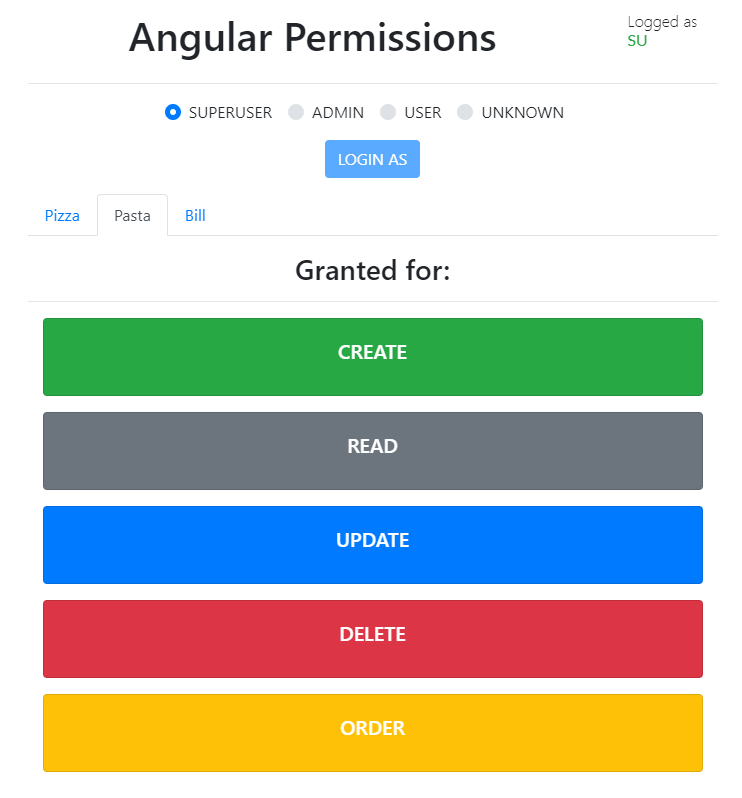
Read moreAngular permissions based on roles | Part 2. Permissions for multiple resources
In the previous article, a roles and permits handler, a global service to consume the handler and a...
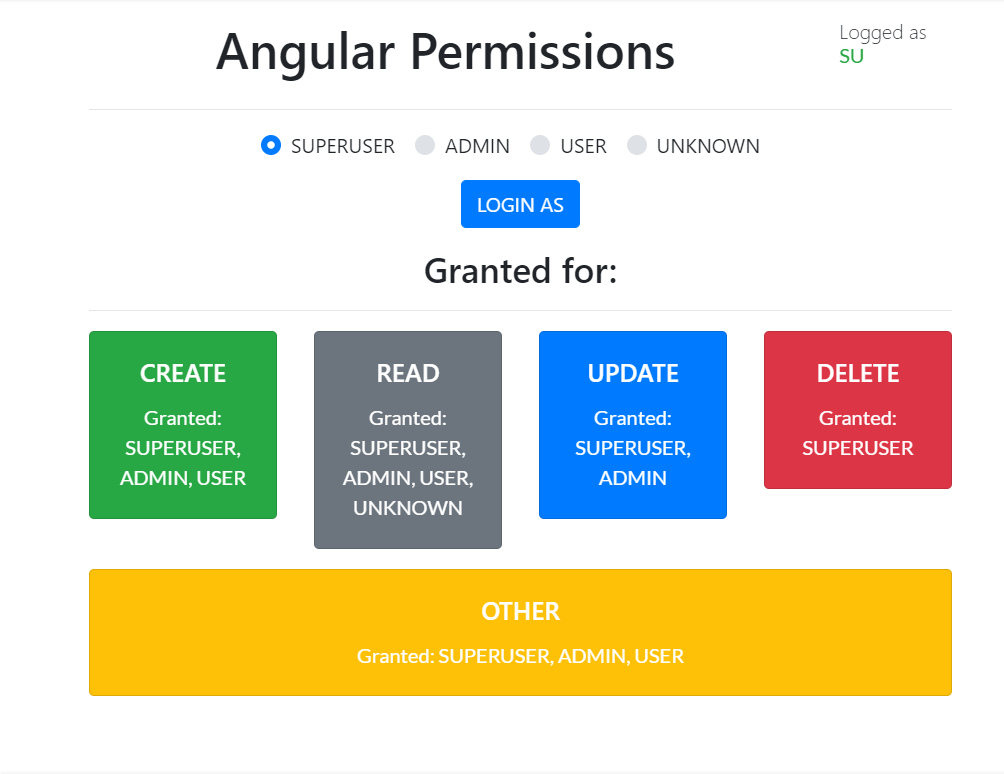
Read moreAngular permissions based on roles | Part 1. Roles, permissions and Permission Manager
One of the biggest challenges we face when building Angular applications is the control and...
Read more